


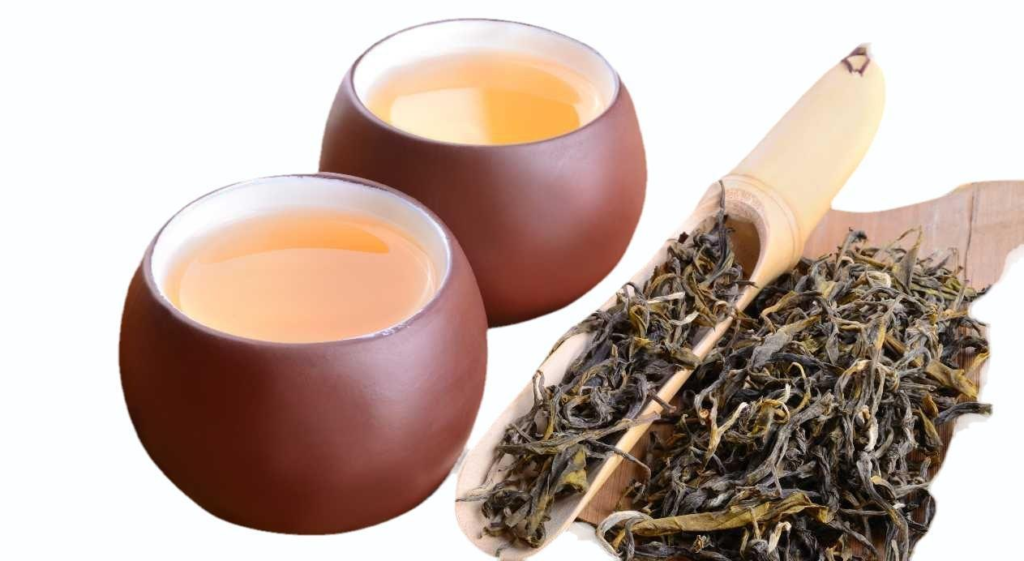
Oolong tea is a traditional Chinese tea that falls between green tea and black tea in terms of processing and oxidation levels. It is made from the leaves of the Camellia sinensis plant, just like black and green teas. Oolong tea is partially oxidized, which gives it a unique flavor profile and a range of health benefits, including powerful antioxidant properties. Let’s explore how oolong tea’s antioxidants can boost your health:
1. Antioxidants in Oolong Tea: Oolong tea contains a variety of antioxidants, including polyphenols, catechins, and flavonoids. These compounds act as potent antioxidants, helping to neutralize harmful free radicals in the body. Free radicals are unstable molecules that can cause oxidative stress, leading to cellular damage and an increased risk of various health issues, including chronic diseases and aging.
2. Cellular Protection: By neutralizing free radicals, the antioxidants in oolong tea help protect cells from damage. This protection extends to various body tissues, including the skin, organs, and blood vessels. Reduced cellular damage can contribute to overall health and well-being.
3. Heart Health: Oolong tea has been associated with potential cardiovascular benefits. The antioxidants in oolong tea, particularly theaflavins and catechins, may help improve heart health by reducing cholesterol levels and promoting healthy blood circulation. This, in turn, can lower the risk of heart disease and stroke.
4. Weight Management: Some studies suggest that oolong tea may aid in weight management by enhancing metabolism and promoting fat oxidation. The polyphenols in oolong tea can help increase energy expenditure and may be beneficial for individuals aiming to manage their body weight.
5. Blood Sugar Regulation: Oolong tea consumption has been linked to better blood sugar control. The antioxidants in oolong tea may help improve insulin sensitivity and reduce blood sugar spikes after meals. This could be beneficial for individuals at risk of or managing type 2 diabetes.
6. Dental Health: The polyphenols in oolong tea may have antibacterial properties that can help inhibit the growth of certain bacteria in the mouth. This can contribute to improved oral health and reduced risk of dental issues, such as cavities and gum disease.
7. Bone Health: Some research suggests that regular consumption of oolong tea may contribute to improved bone health due to its antioxidant content. Antioxidants can help reduce oxidative stress on bones, potentially benefiting bone density and strength.
Important Considerations:
- Like any food or beverage, oolong tea is best enjoyed as part of a balanced and varied diet, rather than relying solely on its potential health benefits.
- The caffeine content in oolong tea may vary depending on factors such as steeping time and the specific tea leaves used. If you are sensitive to caffeine or have specific health concerns, it’s best to moderate your oolong tea intake or choose decaffeinated versions.
- While oolong tea offers various health benefits, it is not a substitute for professional medical advice or treatment. If you have specific health conditions or concerns, consult with a healthcare professional for personalized guidance.
Incorporating Oolong Tea into Your Routine:
To enjoy the antioxidant properties of oolong tea, you can prepare it by steeping the tea leaves in hot water for the desired amount of time (typically 3-5 minutes). Oolong tea is available in various flavors and blends, so you can choose the one that appeals to your taste buds. Remember to savor your oolong tea in moderation and as part of a healthy lifestyle.